Kaaba Kiswa- The Sacred Cloth of the Holy Kaaba

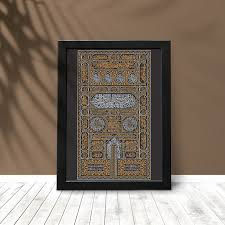
The Kaaba Kiswa — the majestic black cloth that covers the Holy Kaaba in Makkah — stands as one of the most sacred symbols of Islam. Draped over the House of Allah, it is not merely a fabric but a masterpiece of faith, art, and devotion, representing the unity and reverence of Muslims around the world. Every year, a new Kiswa is prepared with intricate Quranic inscriptions embroidered in gold and silver threads, symbolizing purity, spirituality, and divine beauty.
The Meaning and Importance of the Kaaba Kiswa
The word “Kiswa” (كسوة) in Arabic means “covering” or “clothing.” The Kaaba Kiswa signifies honor and respect for the most sacred site in Islam. It is a physical manifestation of devotion — a way to adorn the House of Allah with the finest materials on earth.
Every Muslim dreams of seeing the Kaaba Kiswa in person — its elegant black silk, its golden calligraphy glistening under the sunlight, and its powerful Quranic verses that echo the eternal message of submission to Allah.
The Kiswa reminds believers of the holiness of the Kaaba, serving as a symbol of unity as millions turn toward it in prayer five times a day.
Historical Background of the Kaaba Kiswa
The tradition of covering the Kaaba dates back thousands of years. According to Islamic history, Prophet Ismail (A.S.) was the first to clothe the Kaaba. Later, various rulers, caliphs, and sultans continued this sacred practice throughout Islamic history.
In the pre-Islamic era, the Kaaba was covered with simple fabrics made of Yemeni cloth.
During the Abbasid Caliphate, the Kiswa began to feature embroidered Quranic verses in gold.
The Mamluks and Ottomans perfected the craft, making Egypt the center of Kiswa production for centuries.
Today, the Kiswa is entirely produced in Makkah, Saudi Arabia, at the King Abdulaziz Complex for the Kiswa of the Kaaba, a state-of-the-art facility dedicated to maintaining this centuries-old tradition.
The Making of the Kaaba Kiswa: A Masterpiece of Islamic Art
The creation of the Kaaba Kiswa is an extraordinary process combining faith, skill, and precision. Over 200 artisans work year-round to produce the new Kiswa that will adorn the Kaaba during Hajj season.
1. The Fabric
The Kiswa is made from pure black silk imported from the finest textile sources. It is woven into panels that together weigh over 670 kilograms (1,500 pounds).
2. The Embroidery
The most captivating feature of the Kiswa is its gold and silver embroidery. Quranic verses such as Ayat al-Kursi (Surah Al-Baqarah 2:255) and Surah Al-Ikhlas are hand-stitched in dazzling 24-karat gold-plated threads.
The embroidery is meticulously done on green silk lining, then sewn onto the black Kiswa. Each letter and motif is outlined with precision to ensure clarity and perfection.
3. The Belt (Hizam al-Kaaba)
The golden band (Hizam) runs along the upper third of the Kaaba and features Quranic inscriptions that glorify Allah. It alone requires 120 kilograms of gold and silver thread and months of detailed craftsmanship.
4. The Curtain (Burqa or Sitara)
The curtain covering the Kaaba’s door is known as the Sitara. It is the most beautifully decorated part of the Kiswa, featuring the Shahada (Islamic declaration of faith) and other Quranic verses embroidered in thick gold and silver wire.
When the Kaaba Kiswa is Changed
Each year on the 9th of Dhul Hijjah, the day of Arafat during the Hajj pilgrimage, the old Kiswa is replaced with a new one. This sacred ceremony is conducted by a special team of custodians from the General Presidency for the Affairs of the Two Holy Mosques.
The replacement process begins after Fajr (dawn prayer) and is carried out with utmost respect and precision. The new Kiswa is draped over the Kaaba, while the old one is carefully removed and preserved.
What Happens to the Old Kaaba Kiswa?
After being replaced, the old Kiswa is cut into smaller pieces and distributed to Muslim leaders, institutions, and prominent guests as a blessed relic. Some fragments are displayed in museums and Islamic cultural centers, while others are kept as spiritual heirlooms by families and collectors around the world.
Each fragment of the Kiswa is considered sacred and priceless, as it once adorned the House of Allah — the holiest site on Earth.
Spiritual and Symbolic Significance of the Kaaba Kiswa
The Kaaba Kiswa represents more than beauty; it embodies unity, purity, and faith. Its deep black color symbolizes modesty and humility, while the golden inscriptions reflect divine light and glory.
The verses embroidered on the Kiswa proclaim the greatness of Allah and remind all believers of their duty to worship Him alone. As millions of Muslims from every nation face the Kaaba in prayer, the Kiswa becomes a unifying symbol of Islam’s universality.
Kaaba Kiswa in Modern Times
Today, the Kaaba Kiswa continues to inspire Islamic artists and craftsmen around the world. Replicas and framed segments of the Kiswa have become popular as Islamic wall décor and spiritual gifts.
Kiswa wall frames featuring Quranic verses are used to decorate homes and mosques, adding a touch of sacred beauty.
Collectors seek authentic Kiswa fragments as historical treasures.
Many Muslims choose to gift miniature Kiswa replicas during Hajj, Umrah, or Ramadan to symbolize blessings and devotion.
How to Identify an Authentic Kaaba Kiswa Piece
With growing global interest, it’s important to ensure authenticity when purchasing a Kiswa fragment or replica. Genuine pieces come with:
An official certificate of authenticity from the Kiswa Factory in Makkah.
Hand-stitched gold and silver embroidery (not printed).
Exact Quranic verse patterns found on the original Kaaba Kiswa.
Authentic fragments are limited and highly valued, often presented only as honorary gifts or displayed in official exhibitions.
Conclusion- The Eternal Symbol of Faith and Unity
The Kaaba Kiswa remains one of the most revered emblems in Islam, reflecting the spiritual unity of over a billion Muslims worldwide. Its artistry, elegance, and divine verses remind us of the sacredness of the Kaaba and our eternal devotion to Allah.
From ancient traditions to modern craftsmanship, the Kaaba Kiswa continues to connect the hearts of believers, serving as a timeless symbol of love, humility, and faith.


Comments